
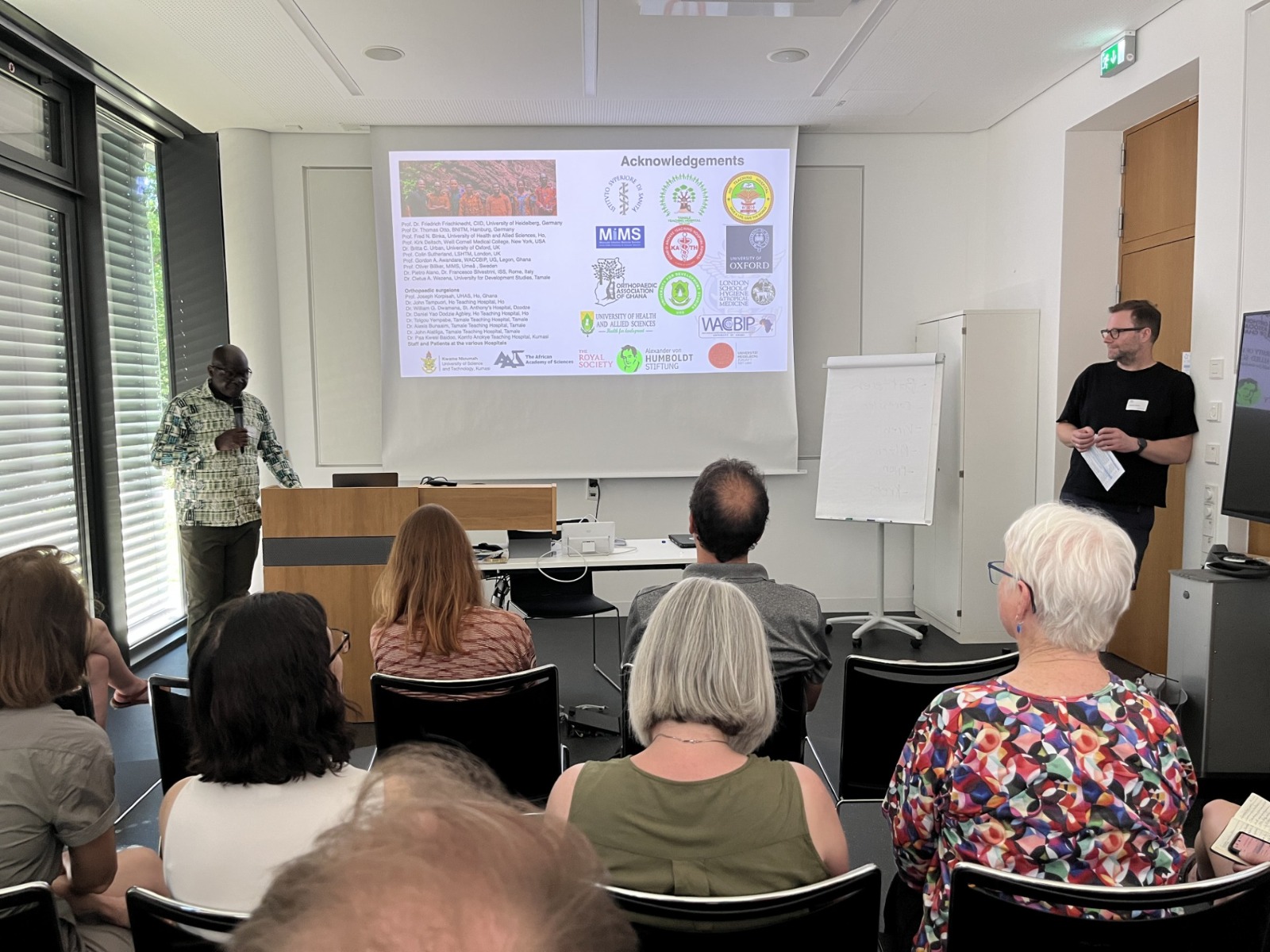
A researcher from the Kwame Nkrumah University of Science and Technology, Kumasi (KNUST) has played a key role in one of the world's leading malaria research conferences, highlighting the university's growing influence in global efforts to combat the disease.
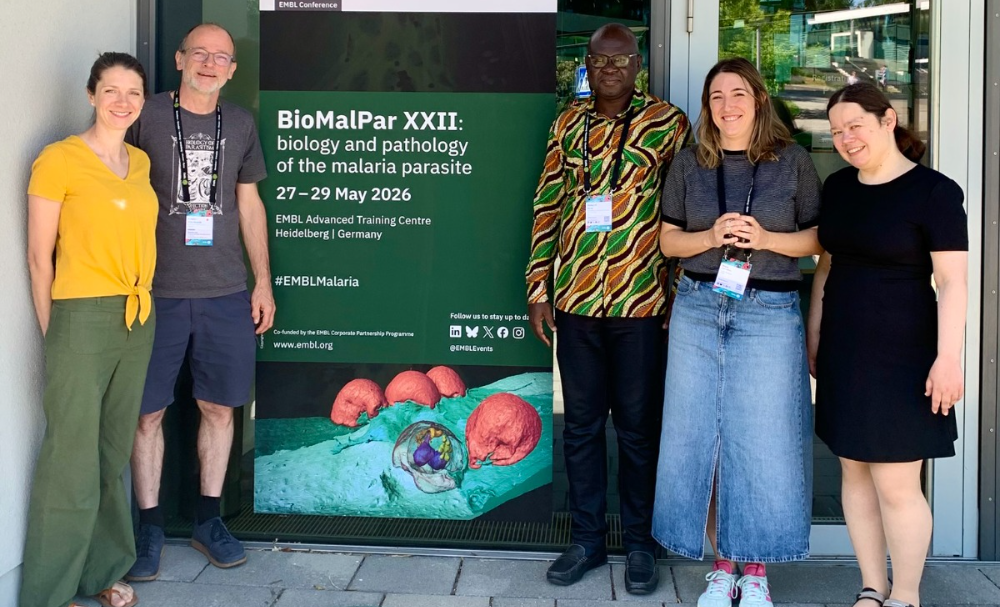
Dr. Bismarck Dinko of the Department of Clinical Microbiology, School of Medical Sciences, represented KNUST at the BioMalPar XXII – International Conference on the Biology and Pathology of the Malaria Parasite, held from May 27 to 29, 2026, at the European Molecular Biology Laboratory (EMBL) Advanced Training Centre in Heidelberg, Germany.
The conference brought together malaria researchers, clinicians and students from around the world to discuss recent advances in malaria research, including emerging drug resistance, parasite biology, host-parasite interactions and vaccine development.
Dr. Dinko participated both as a scientific contributor and a member of the Conference Scientific Organising Committee, working alongside leading malaria scientists including Maria Bernabeu of EMBL Barcelona, Björn Kafsack of Weill Cornell Medical College, USA, and Kasia Modrzynska of the University of Glasgow, UK.
His involvement ensured that perspectives from malaria-endemic regions, particularly Sub-Saharan Africa, were represented in discussions shaping the future of malaria research.
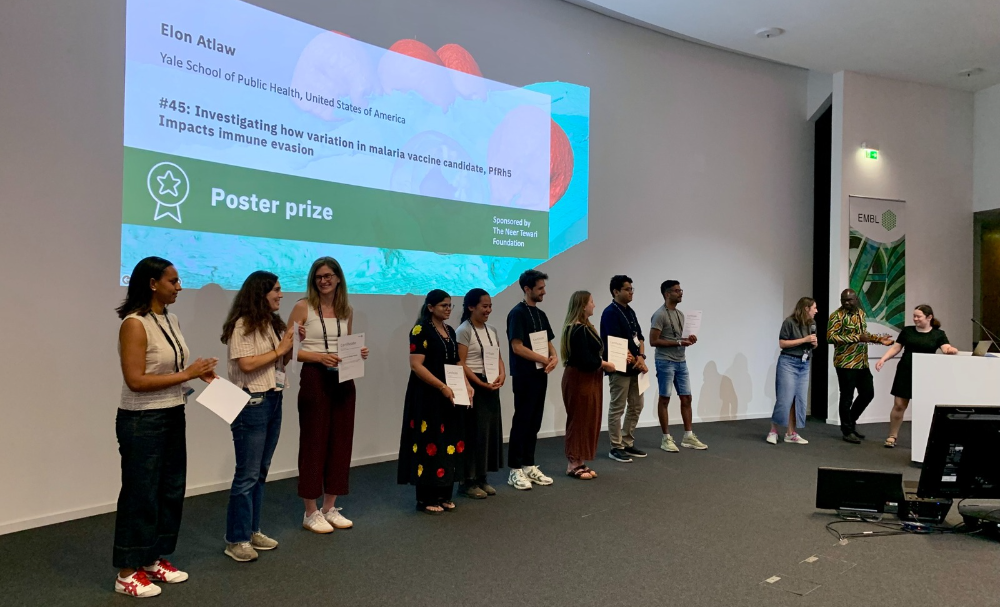
Ahead of the conference, Dr. Dinko delivered a presentation at a pre-conference meeting on May 26 titled, “What Orthopaedic Surgical Waste Can Teach Us About Malaria Parasites in the Human Bone Marrow.”
The presentation explored how orthopaedic surgical waste can serve as a valuable resource for studying malaria parasites within the human bone marrow, an important but relatively understudied site in malaria parasite development.
The research demonstrated how innovative approaches can generate new insights into parasite biology, disease progression and malaria transmission, potentially contributing to improved control strategies.
Dr. Dinko is currently a Georg Forster Research Fellow of the Alexander von Humboldt Foundation at Heidelberg University Hospital in Germany.


